

Heinz’s Ketchup Fraud: connecting creative campaigns to leads
A memorable campaign needs a useful next action. Here’s how to connect creative, landing pages and follow-up.
In this article
What was Heinz’s Ketchup Fraud campaign?
Heinz’s 2023 Ketchup Fraud campaign highlighted restaurants refilling Heinz bottles with other ketchup. Created with Rethink, it used a recognisable situation to reinforce demand for the brand. D&AD’s campaign record records the year and credits.
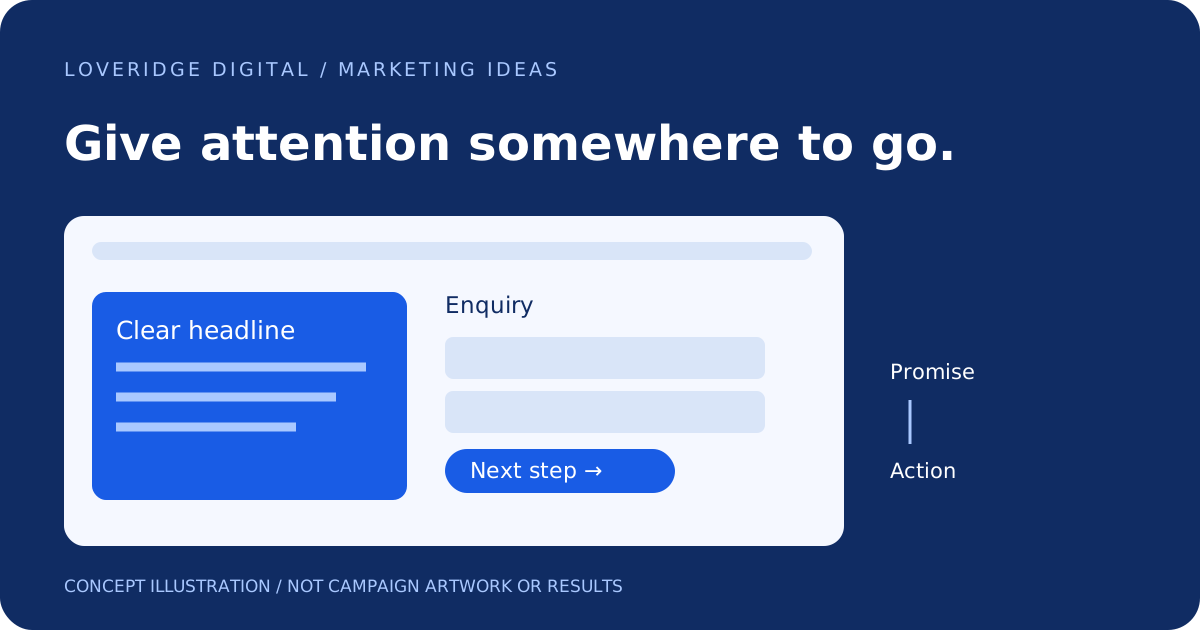
The useful lesson for another business is the connection between the creative idea and the action that follows it. Attention has somewhere to go.
How did the campaign connect to lead generation?
The Heinz campaign page asks visitors to identify restaurants that need help serving Heinz. It collects contact and restaurant details and offers an email opt-in.
That creates a route from a consumer’s interest to a possible business conversation. A submitted restaurant is a prospect to assess, however, not automatically a qualified lead or a new customer.
This distinction is useful for any campaign with a form. The form is one step in the process. Someone still needs to establish relevance, understand the requirement and help the prospect decide what to do.
What can a smaller business apply?
Start with a customer problem you can explain plainly. Then offer a next step that helps resolve it.
A hypothetical equipment supplier could pair a maintenance demonstration with a request for a product assessment. A creative agency could pair an explanation of an unclear offer with an enquiry about improving the message. A retailer could pair a comparison guide with help choosing the right product.
In each case, the offer should follow naturally from the content. If someone clicks because they want help comparing options, a generic “subscribe for updates” form may leave the original question unanswered.
What belongs on the landing page?
Use a clear headline that continues the campaign’s promise, explain what the visitor receives and show enough relevant evidence to help them trust the next step.
Ask only for the information needed to respond usefully. A supplier may need a location and product requirement; another business may need only contact details and a short description of the problem. Explain what happens after submission.
Treat marketing subscription as a separate, clear choice. Build the follow-up process before driving traffic so a useful enquiry receives a useful response.
This is where digital marketing strategy connects creative work with the website and sales process. A compelling ad cannot complete that job by itself.
What results were reported?
Rethink’s case study reports 33 new partner locations in under a month and an 8% sales increase compared with the previous year. These are agency-reported outcomes.
The public page does not explain enough about the measurement scope, attribution or total costs to calculate campaign ROI. A year-on-year sales increase alone also does not isolate the campaign’s effect from other changes.
How should you measure your own campaign?
Follow the journey from visits to submitted enquiries, qualified opportunities, sales and contribution after costs. Define a qualified enquiry before launch so the team applies the same standard.
Use campaign tracking and CRM records to connect the stages where possible. Review where people stop progressing. Plenty of visits with few enquiries may suggest a weak offer or confusing page; plenty of enquiries with few suitable buyers may suggest an audience or qualification problem.
The goal is a creative idea that makes a real buying decision easier. Talk to Loveridge Digital about connecting your campaign message, landing page and follow-up.
Explore the complete strategy: How to compete on value without cutting your prices.
Related reading
How to compete on value without cutting your prices
Three ways to show customers why your business is worth choosing, without making price your only advantage.
Read article
IKEA’s Balenciaga response: what small businesses can learn
What IKEA’s response to Balenciaga teaches smaller businesses about relevance, product proof and timely creative.
Read article
Lululemon’s Dupe Swap: how to design a product trial
How to build a trial that resolves buying hesitation, and measure what happens after people take part.
Read article