

IKEA’s Balenciaga response: what small businesses can learn
What IKEA’s response to Balenciaga teaches smaller businesses about relevance, product proof and timely creative.
In this article
How did IKEA respond to Balenciaga?
IKEA responded to the 2017 Balenciaga bag comparison with a humorous guide to recognising its blue FRAKTA bag. The response brought attention to practical features and everyday value. IKEA Museum documents the guide, while The One Club’s campaign entry credits ACNE and IKEA Creative Hub.
The creative choice was well suited to the product. A familiar shopping bag did not need an elaborate explanation. The comparison gave IKEA a reason to talk about something people already recognised.
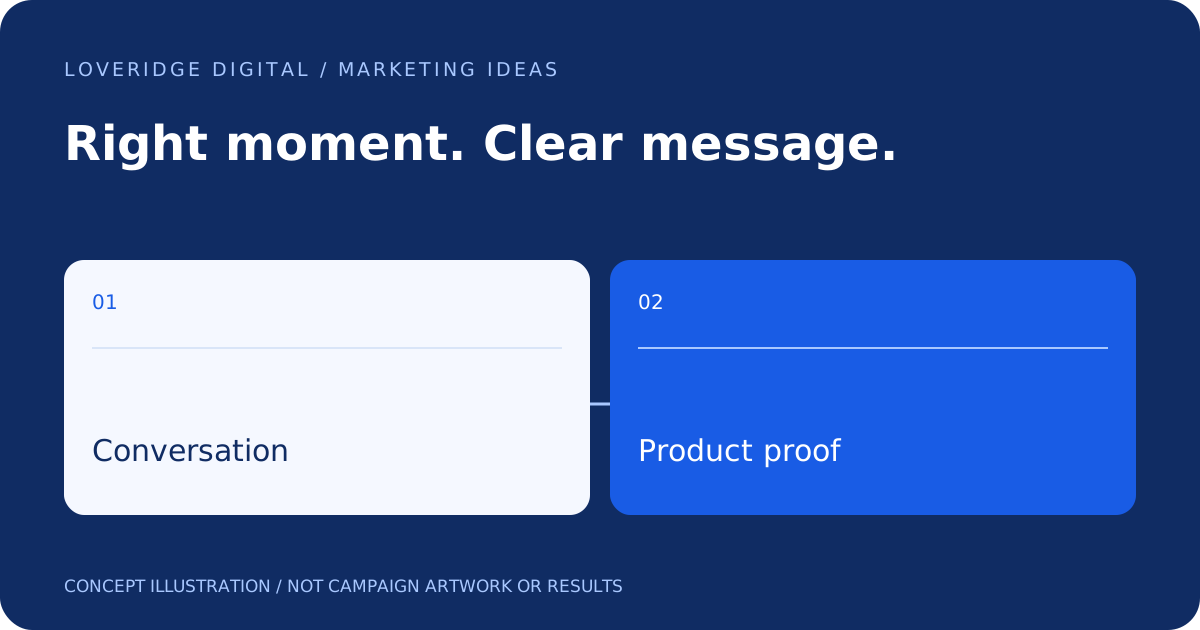
For a smaller business, the opportunity is to find a relevant connection between a conversation and something it can credibly demonstrate.
What is reactive marketing?
Reactive marketing responds to an event, trend or public conversation while it is relevant. A useful response connects that moment to the brand’s product, audience or point of view. Speed helps only when the connection makes sense.
A business can move quickly and still say nothing useful. A topical joke that could carry any company’s logo is unlikely to explain why someone should choose yours.
How should a business judge an opportunity?
Use four questions before committing production time:
- Is the audience already interested? Look for evidence in customer questions, relevant coverage or the conversations your buyers are having.
- Does the connection belong to this business? The product or service should have a clear role in the idea.
- Can we show something specific? A demonstration, useful comparison or clear explanation should support the message.
- Can we approve and deliver it while it is relevant? Agree who checks the facts, approves the creative and handles responses.
If those answers are weak, leave the trend alone. There will be another one shortly; the internet is rarely short of material.
What could this look like for a regional business?
Consider a hypothetical equipment supplier whose customers are discussing a common maintenance problem. A short video could show how a particular design makes the task easier, with the conditions of the demonstration explained.
The useful content is the demonstration. The topical conversation simply provides a timely reason to share it. The next step could be a product page with the relevant specification and a clear enquiry option.
A service business could take a similar approach when buyers are confused about what a quote includes. Show the scope and the steps involved, using an example the business has permission to share.
What results did IKEA report?
ACNE’s case study on LBB reports 1.3 billion media impressions, 1.4 million interactions and more than $11 million in earned media, with no media budget. These are campaign-provider claims. The page does not identify the currency of the earned-media estimate.
Those figures describe exposure and a media valuation, rather than independently verified profit. No media budget also does not mean the strategy, production and staff time were free.
What should a smaller business measure?
Choose a useful action before posting. Track visits to the relevant page, qualified enquiries and resulting sales where they can be connected to the campaign. Compare those outcomes with production, staff and distribution costs.
A post with modest reach may still be useful if the right buyers act. A widely shared joke may achieve little commercially if the product disappears from the story.
Good social media marketing makes room for timely ideas while keeping the audience and business objective clear. Talk to Loveridge Digital about building a campaign around something your business can prove.
Explore the complete strategy: How to compete on value without cutting your prices.
Related reading
How to compete on value without cutting your prices
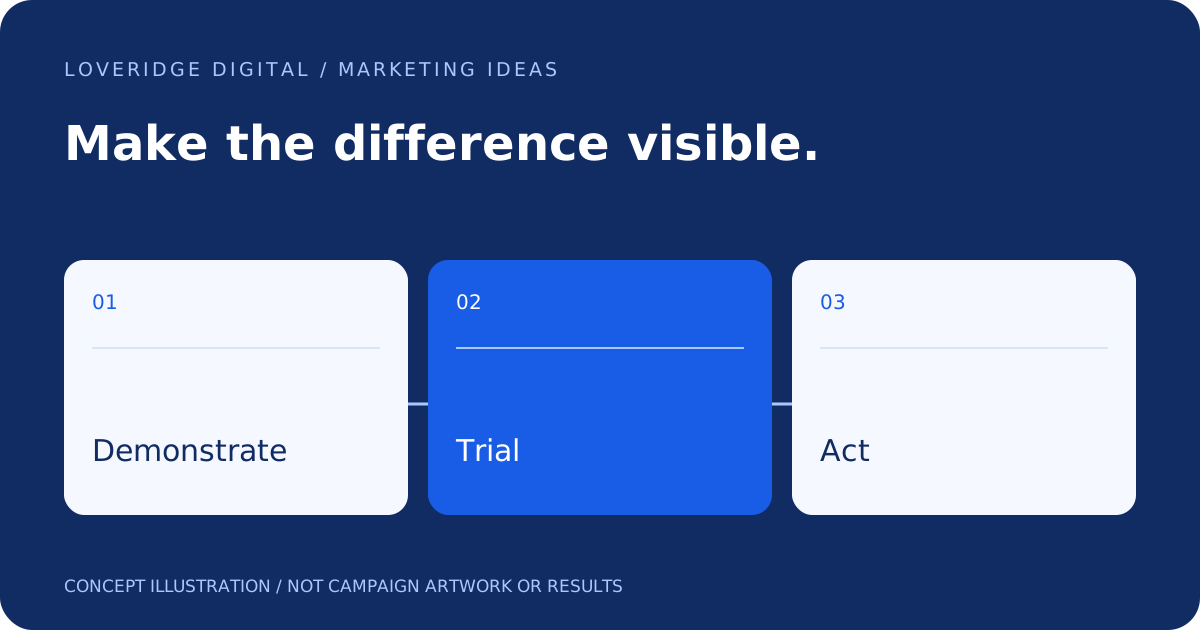
Three ways to show customers why your business is worth choosing, without making price your only advantage.
Read article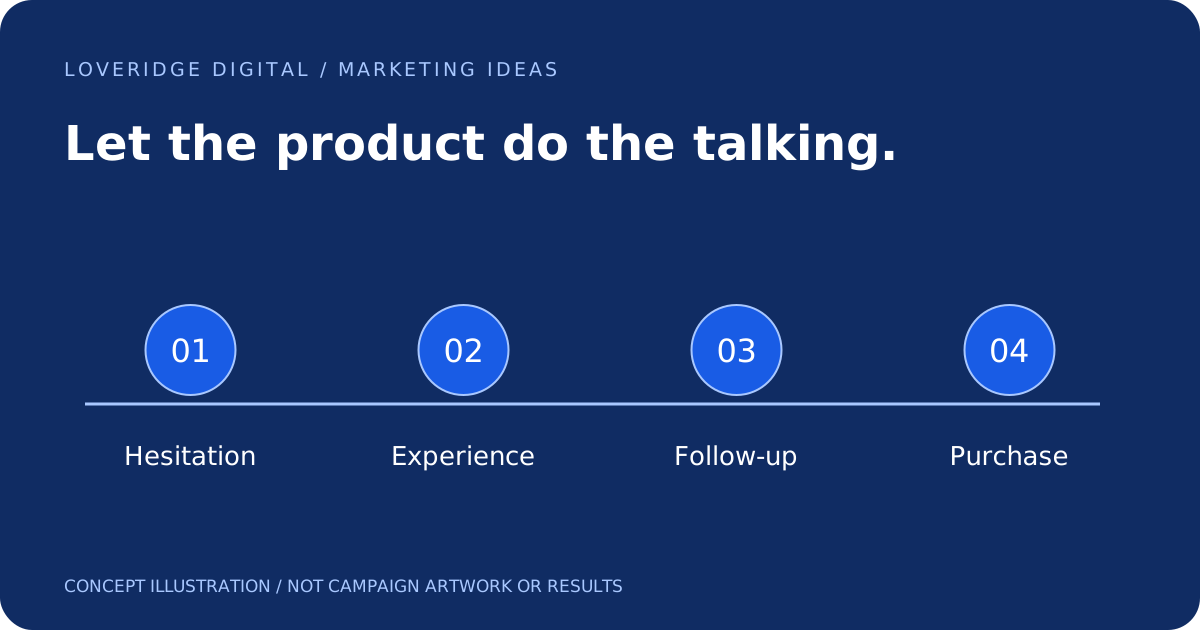
Lululemon’s Dupe Swap: how to design a product trial
How to build a trial that resolves buying hesitation, and measure what happens after people take part.
Read article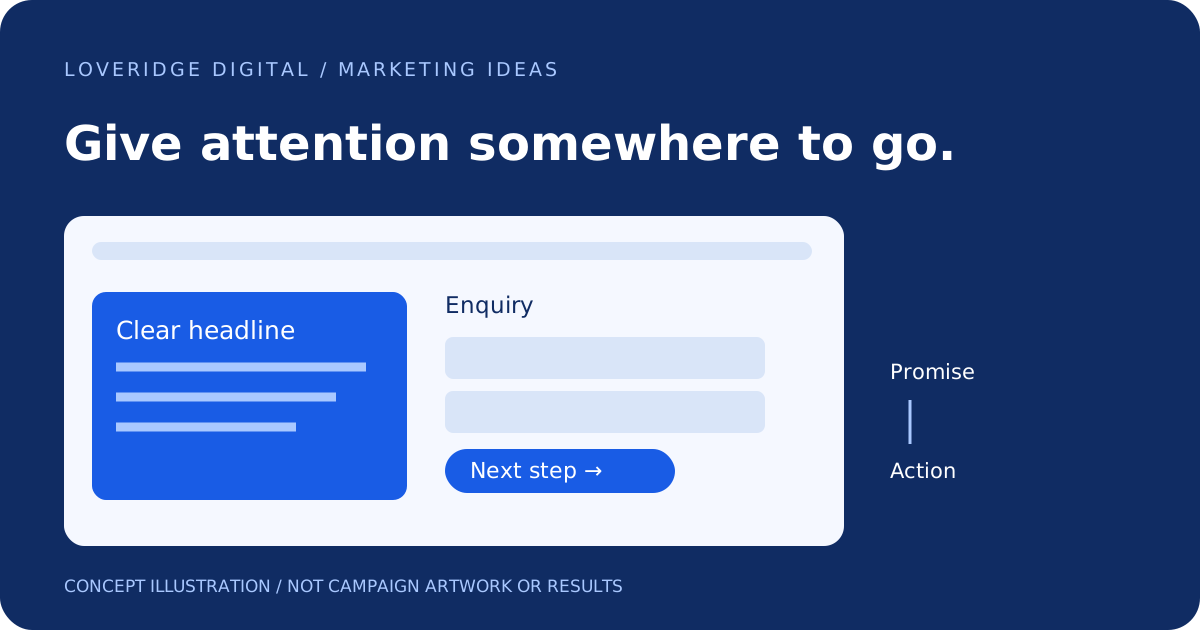
Heinz’s Ketchup Fraud: connecting creative campaigns to leads
A memorable campaign needs a useful next action. Here’s how to connect creative, landing pages and follow-up.
Read article